Taking baseball lessons at B&W Fan School can provide you with many unique benefits and experiences. Here are a few reasons why you should choose our school for baseball lessons: Personalized attention. At B&W Fan…
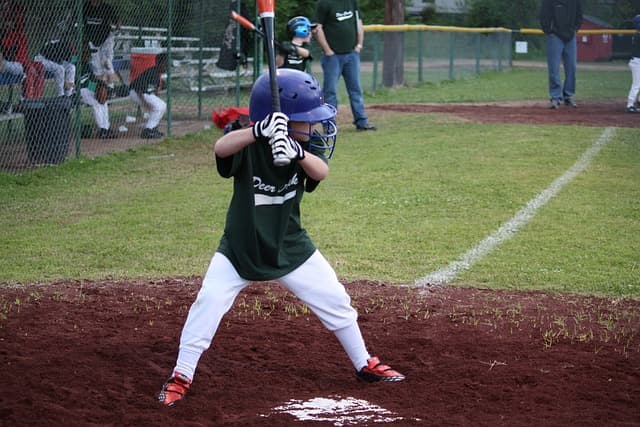
Baseball Program for Younger Students (7-10 years old)
Introduction and basics Introduction to baseball: history, rules, basic concepts. Familiarization with equipment: balls, bats, gloves. Proper body position and bat grip. Fundamentals of technique Baseball positions on the field:…
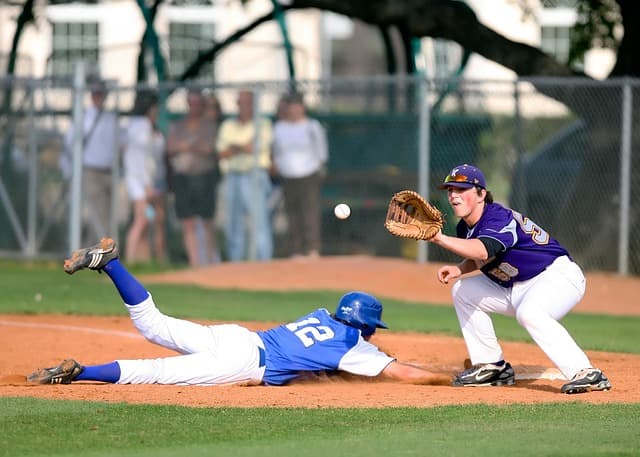
Baseball Lesson Program for High School Students (11-15 years old)
Fundamentals and preparation Familiarization with the principles of baseball. Improving physical fitness: strength and endurance exercises. Developing basic baseball technique: throwing, hitting, running the bases. Technique and tactics In-depth study…
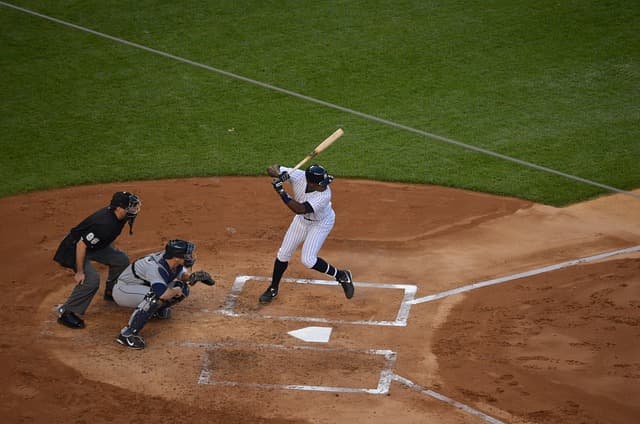
Baseball Class Program for Students
Introduction and fundamentals Introduction to baseball: history, evolution, and role in modern sports. Familiarization with equipment and its selection. Rules and basic concepts of the game. Technical fundamentals Mastering fundamental…